


Market Insights: Unlocking Business Opportunities Through Data

In today’s fast-paced business world, understanding market trends and consumer behavior is no longer optional—it’s essential. Businesses get the information they need from market insights to make better decisions, reduce risks, and take advantage of opportunities. Simply put, they are the key to staying competitive in any industry.
What Are Market Insights?
Market insights are the valuable findings derived from analyzing data related to customers, competitors, and industry trends. Unlike basic data points, insights help businesses interpret what is happening in the market and why. For example, knowing that sales of a product are declining is data; understanding that the decline is due to changing consumer preferences or competitor strategies is a market insight.
These insights can come from multiple sources, including surveys, focus groups, social media analytics, sales data, and industry reports. The goal is to translate raw information into actionable knowledge that guides business strategies.
Why Market Insights Are Important
Decision-Making Based on Information: Instead of relying on instinct, businesses with accurate market insights can make strategic choices. Whether launching a new product or entering a new market, insights reduce uncertainty.
Understanding Customers: Insights reveal customer needs, preferences, and pain points. Businesses can tailor products, marketing campaigns, and customer experiences to better meet expectations, boosting loyalty and retention.
Identifying Trends and Opportunities: Market insights help businesses spot emerging trends before competitors do. This could include recognizing shifts in consumer behavior, new technologies, or changes in market demand.
Companies can effectively differentiate themselves and identify gaps by analyzing competitor performance and market positioning. This gives them a competitive advantage. Staying ahead in innovation and strategy is easier when decisions are guided by insights.
Risk Reduction: Market insights help anticipate potential challenges, from economic shifts to evolving regulations. Businesses can adjust their strategies proactively rather than reacting to changes at the last minute.
How to Gather Market Insights
Collecting meaningful insights requires a structured approach:
Surveys, reviews, and comments on social media all provide direct insight into customer preferences and satisfaction. Sales and Usage Data: Analyzing purchase patterns and product usage can reveal which offerings are most popular and why.
Competitor Analysis: Monitoring competitors’ strategies, pricing, and product launches helps identify industry trends and market gaps.
Industry Reports and Studies: Reports from research firms and trade organizations provide macro-level insights about the market landscape.
Digital Analytics: Website traffic, search trends, and social media engagement can reveal customer behavior and emerging interests in real time.
Turning Insights into Action
The value of market insights lies in how they are used. Businesses must translate insights into clear strategies—whether adjusting pricing, creating new products, optimizing marketing campaigns, or entering new markets. Tools like dashboards and visualization software make it easier for teams to interpret insights and make data-driven decisions quickly.
Conclusion
Market insights are the bridge between raw data and business success. They allow organizations to understand customers, anticipate trends, outperform competitors, and make informed strategic decisions. In a world where consumer expectations and market conditions are constantly evolving, businesses that leverage insights effectively are the ones that thrive. By investing in proper research, analytics, and interpretation, companies can turn market knowledge into a powerful tool for growth.
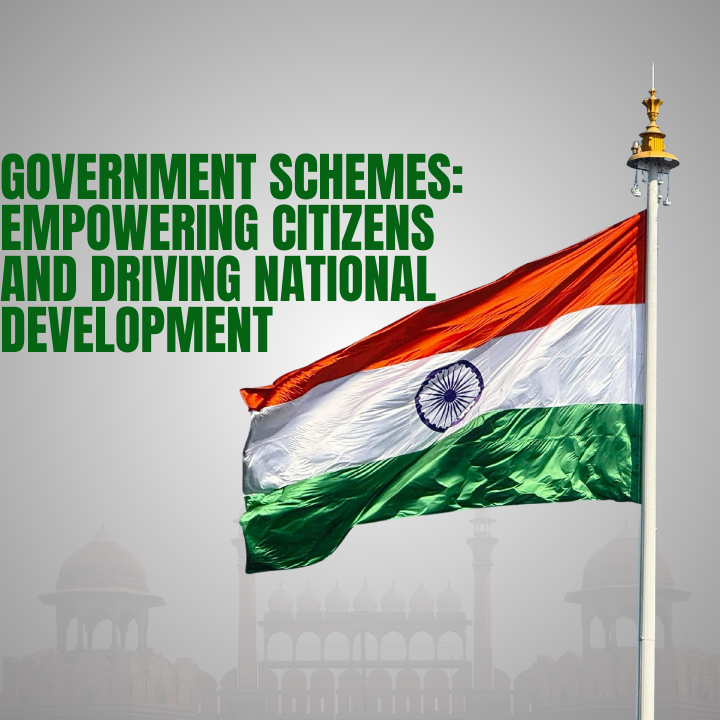
Government Schemes: Empowering Citizens and Driving National Development

Government schemes play a vital role in improving the quality of life for citizens and supporting the overall development of a country. In India, these schemes are designed to address key areas such as education, healthcare, employment, agriculture, housing, and social security. By targeting different sections of society—especially the underprivileged—government initiatives aim to reduce inequality and promote inclusive growth.
What Are Government Schemes?
Government schemes are programs launched by central or state governments to provide financial assistance, services, or benefits to citizens. These schemes are often aimed at solving specific social or economic issues, such as poverty, unemployment, lack of education, or poor healthcare access. Some schemes are fully funded by the central government, while others are jointly implemented with state governments.
Types of Government Schemes
Government schemes can broadly be categorized based on their objectives and target groups:
1. Social Welfare Schemes
These schemes focus on improving living standards and providing social security. Examples include pension schemes for senior citizens, financial support for widows, and insurance coverage for low-income families.
2. Education Schemes
Education-focused schemes aim to improve literacy and encourage higher education. Scholarships, free textbooks, mid-day meals, and digital learning initiatives help students from economically weaker sections continue their studies.
3. Healthcare Schemes
Healthcare schemes provide affordable or free medical services to citizens. These programs often include health insurance, free checkups, vaccination drives, and maternal health support to reduce healthcare costs for families.
4. Employment and Skill Development Schemes
To tackle unemployment, the government offers schemes that promote skill development, self-employment, and entrepreneurship. Training programs, startup support, and rural employment schemes help individuals gain income-generating skills.
5. Agriculture and Rural Development Schemes
Crop insurance, irrigation, subsidies, and financial aid programs benefit rural communities and farmers. These initiatives aim to improve agricultural productivity and stabilize farmers’ incomes.
6. Plans for housing and urban development Housing schemes support affordable housing for low- and middle-income families. Urban development programs also focus on better infrastructure, sanitation, and smart city development.
The Advantages of Government Programs Government schemes offer multiple benefits to citizens and the nation as a whole:
Financial Support: Direct benefit transfers and subsidies reduce financial burden on families.
Social Inclusion: Marginalized groups receive targeted support.
Economic Growth: Skill development and employment schemes boost productivity.
Improved Living Standards: Access to healthcare, education, and housing improves quality of life.
Rural Empowerment: Agricultural and rural schemes reduce migration and strengthen local economies.
How to Access Government Schemes
Most government schemes can be accessed through official government portals, local government offices, or authorized service centers. Many schemes now use digital platforms to simplify registration and ensure transparency. Aadhaar-based verification and direct bank transfers help benefits reach eligible beneficiaries without delays.
Before applying, individuals should:
Check eligibility criteria
Keep required documents ready
Apply only through official sources
Track application status online if available
Challenges and the Way Forward
While government schemes have made a significant impact, challenges such as lack of awareness, digital literacy gaps, and implementation delays still exist. Increasing public awareness, simplifying application processes, and strengthening monitoring systems can further improve the effectiveness of these programs.
Conclusion
Government schemes are essential tools for social and economic development. They provide support where it is most needed and help bridge gaps between different sections of society. By staying informed and actively participating, citizens can fully benefit from these initiatives. As technology and governance continue to evolve, government schemes are expected to become more efficient, transparent, and accessible—contributing to a stronger and more inclusive nation.